https://github.com/devsubid/dashboard-ui
Dashboard ui with tremor
https://github.com/devsubid/dashboard-ui
dashboard
Last synced: about 1 year ago
JSON representation
Dashboard ui with tremor
- Host: GitHub
- URL: https://github.com/devsubid/dashboard-ui
- Owner: devsubid
- Created: 2023-07-06T14:08:16.000Z (about 3 years ago)
- Default Branch: main
- Last Pushed: 2024-11-20T14:08:48.000Z (over 1 year ago)
- Last Synced: 2025-02-12T22:51:26.051Z (over 1 year ago)
- Topics: dashboard
- Language: TypeScript
- Homepage: https://dashboard-ui-subid-das.vercel.app/
- Size: 968 KB
- Stars: 1
- Watchers: 1
- Forks: 0
- Open Issues: 0
-
Metadata Files:
- Readme: README.md
Awesome Lists containing this project
README
# [Dashboard-UI-Test](https://dashboard-ui-test-subid-das.vercel.app/)
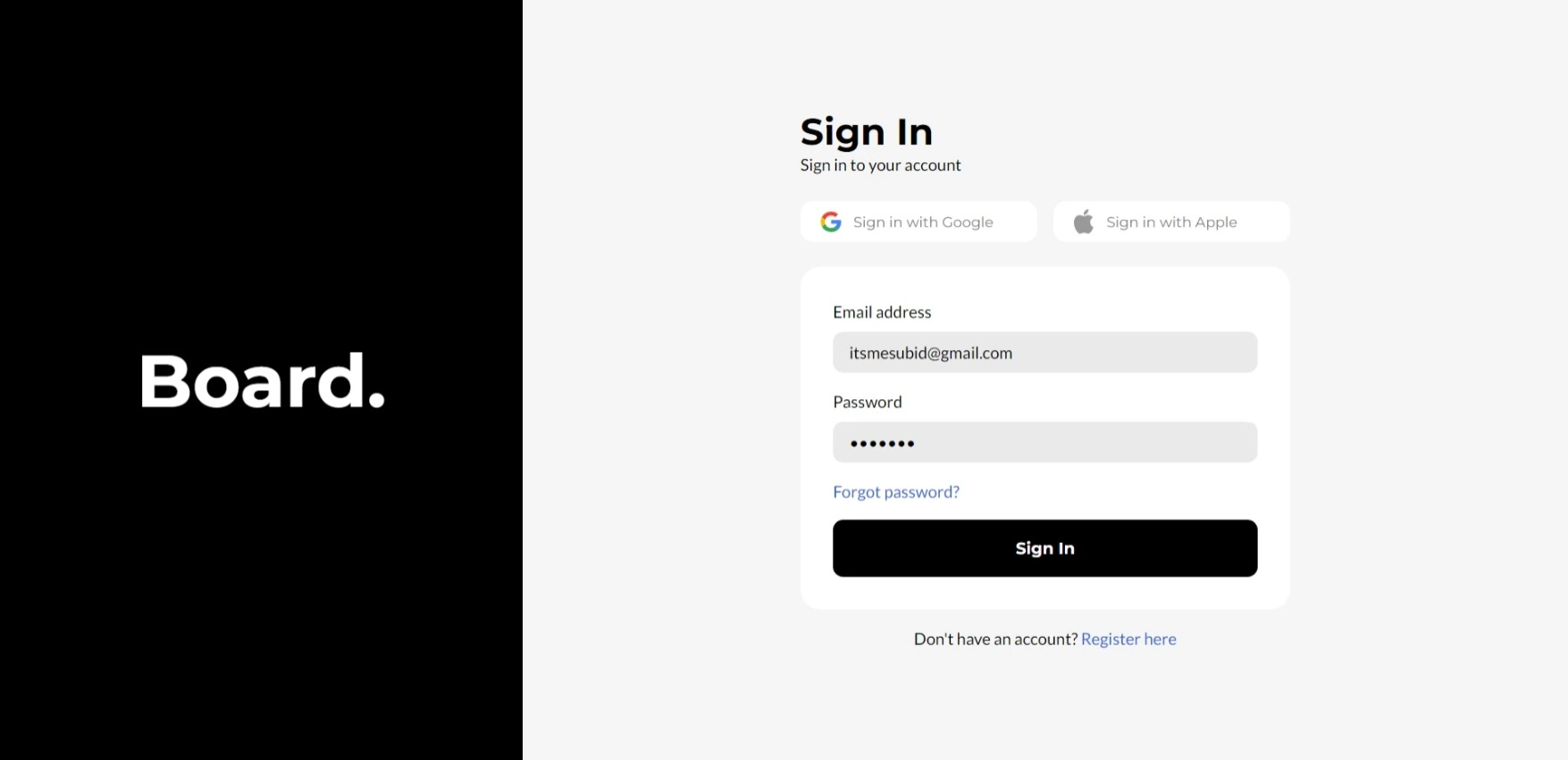
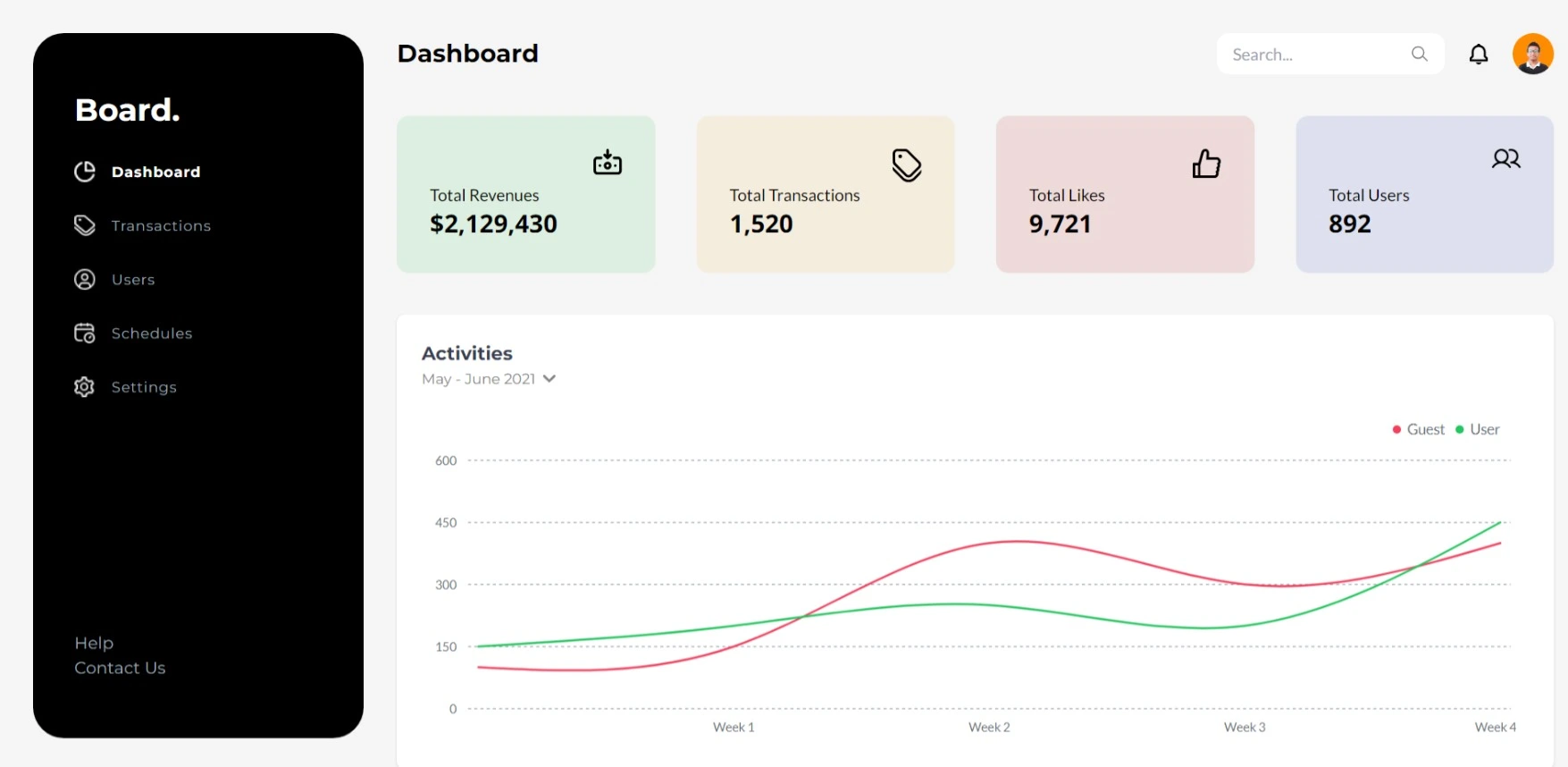






Welcome to the Dashboard-UI-Test repository! Dashboard-UI-Test is a visually stunning website built using React.js, TypeScript, Redux and CSS. The project is a front-end development endeavor and can be found on [GitHub](https://github.com/itsme-Subid/dashboard-ui-test).
## Getting Started
To get started, you can simply clone this repository and install the dependencies.
### Cloning the Repository
To clone the repository, you will need to have git installed on your machine. Once you have those, you can use the following commands:
```bash
git clone https://github.com/itsme-Subid/dashboard-ui-test.git
```
### Running the Project
To run the project, you will need to have Node.js and pnpm or yarn or npm installed on your machine. Once you have those, you can use the following commands:
```bash
cd dashboard-ui-test
pnpm install
pnpm run dev
```
or, if you are using yarn:
```bash
cd dashboard-ui-test
yarn
yarn run dev
```
or, if you are using npm:
```bash
cd dashboard-ui-test
npm install
npm run dev
```
This will start the development server and you should be able to see the website by visiting http://localhost:5173 in your browser.
## Setting up Environment Variables
To set up environment variables, you will need to copy & rename the `.env.example` file to `.env.local`.
Once you have created the file, you can open it in your favorite text editor and fill the credentials properly.