https://github.com/esmail-ibraheem/tal
I developed a Python library for transformers, leveraging the architecture I previously designed. With this library, users can freely install and utilize the transformer architecture.
https://github.com/esmail-ibraheem/tal
library machine-learning pytorch transformer
Last synced: about 1 year ago
JSON representation
I developed a Python library for transformers, leveraging the architecture I previously designed. With this library, users can freely install and utilize the transformer architecture.
- Host: GitHub
- URL: https://github.com/esmail-ibraheem/tal
- Owner: Esmail-ibraheem
- License: mit
- Created: 2024-02-28T12:26:27.000Z (over 2 years ago)
- Default Branch: main
- Last Pushed: 2024-04-16T07:09:13.000Z (about 2 years ago)
- Last Synced: 2025-04-08T21:41:58.907Z (about 1 year ago)
- Topics: library, machine-learning, pytorch, transformer
- Language: Python
- Homepage:
- Size: 141 KB
- Stars: 3
- Watchers: 1
- Forks: 1
- Open Issues: 0
-
Metadata Files:
- Readme: README.md
- License: LICENSE
Awesome Lists containing this project
README
# Transformer Architecture Library
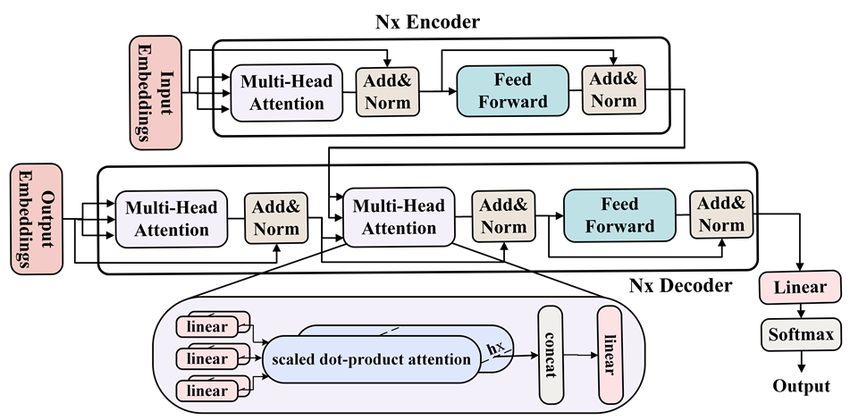
I developed a Python library for transformers, leveraging the architecture I previously designed. With this library, users can freely install and utilize the transformer architecture.
---
1. Create a Directory Structure: Start by creating a directory structure for your package, For instance:
- create a folder called transformer_package, then save this files in the folder.
```bash
my_transformer_package/
├── my_transformer/
│ ├── __init__.py
│ ├── transformer.py
└── setup.py
```
2. the setup.py: This file is used to define metadata about your package and how to install it. Here's a minimal example, you can change it for example the version:
```python
from setuptools import setup, find_packages
setup(
name='transformer_lib',
version='0.1',
packages=find_packages(),
install_requires=[
'torch>=1.6.0',
],
python_requires='>=3.6',
)
```
3. After installing the repo, go to the terminal and type:
```bash
pip install .
```
3. And then, run the test file.
### Now you should be able to use the transformer architecture in any python file you build.