https://github.com/github0013/ms5611
https://github.com/github0013/ms5611
Last synced: 10 months ago
JSON representation
- Host: GitHub
- URL: https://github.com/github0013/ms5611
- Owner: github0013
- Created: 2018-04-15T07:24:33.000Z (about 8 years ago)
- Default Branch: master
- Last Pushed: 2018-04-17T03:27:53.000Z (about 8 years ago)
- Last Synced: 2025-01-23T05:15:49.871Z (over 1 year ago)
- Language: Ruby
- Size: 461 KB
- Stars: 0
- Watchers: 2
- Forks: 0
- Open Issues: 0
-
Metadata Files:
- Readme: README.md
Awesome Lists containing this project
README
# Ms5611
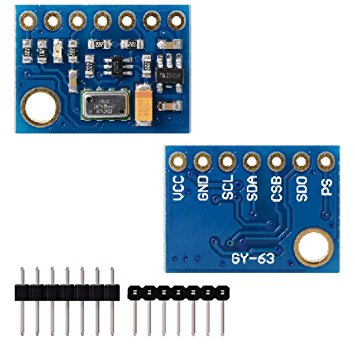
This gem let you connect to your MS5611 module through I2C.
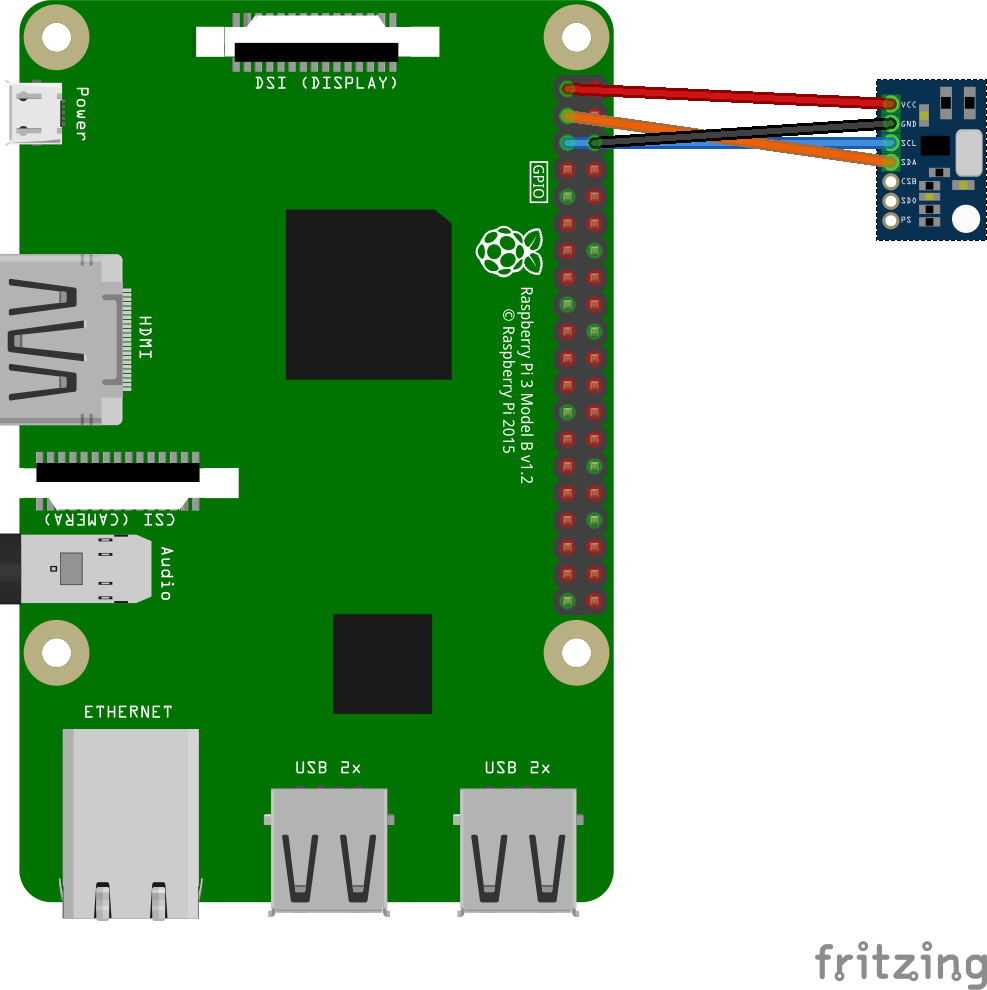
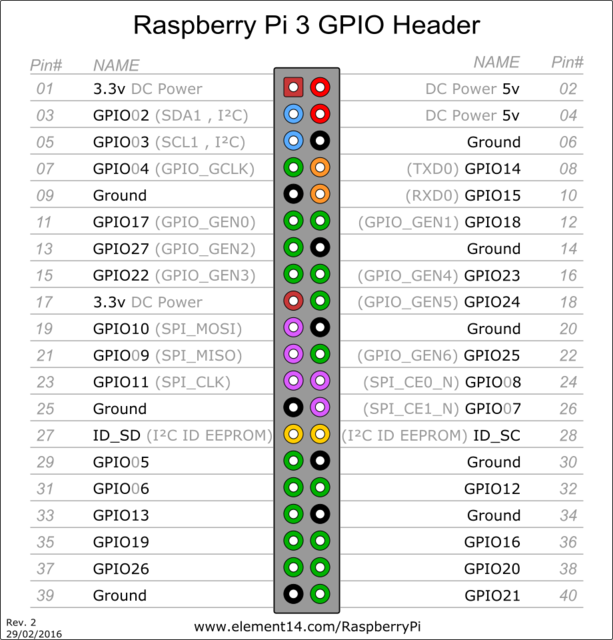
## wiring
* 3.3v pin:01
* ground pin:06
* SDA pin:03
* SCLK pin:05
## Installation
Add this line to your application's Gemfile:
```ruby
gem 'ms5611', github: "https://github.com/github0013/ms5611.git"
```
And then execute:
$ bundle
## Usage
```rb
require "ms5611"
# Ms5611::I2c::Module.detect_i2c_bus_path
# will print something like /dev/i2c-1
# Ms5611::I2c::Module.print_i2c_addresses
# will print something like this to let you find your i2c device addres
# 0 1 2 3 4 5 6 7 8 9 a b c d e f
# 00: -- -- -- -- -- -- -- -- -- -- -- -- --
# 10: -- -- -- -- -- -- -- -- -- -- -- -- -- -- -- --
# 20: -- -- -- -- -- -- -- -- -- -- -- -- -- -- -- --
# 30: -- -- -- -- -- -- -- -- -- -- -- -- -- -- -- --
# 40: -- -- -- -- -- -- -- -- -- -- -- -- -- -- -- --
# 50: -- -- -- -- -- -- -- -- -- -- -- -- -- -- -- --
# 60: -- -- -- -- -- -- -- -- -- -- -- -- -- -- -- --
# 70: -- -- -- -- -- -- -- 77
# i2c_device_address
# you need to find your i2c_device_address first.
# Ms5611::I2c::Module.print_i2c_addresses
# displays connected i2c device addresses
# i2c_bus_path
# without i2c_bus_path keyword param, it will try to find a path by itself
ms5611 = Ms5611::I2c::Module.new(i2c_device_address: 0x77)
# OR ... specify the path if you already know
# Ms5611::I2c::Module.new(i2c_device_address: 0x77, i2c_bus_path: "/dev/i2c-1")
ms5611.temperature # 23.45
ms5611.pressure # 1017.89
```
## benchmark
```bash
cat /sys/firmware/devicetree/base/model
Raspberry Pi Model B Plus Rev 1.2
cat /etc/os-release
PRETTY_NAME="Raspbian GNU/Linux 9 (stretch)"
NAME="Raspbian GNU/Linux"
VERSION_ID="9"
VERSION="9 (stretch)"
ID=raspbian
ID_LIKE=debian
HOME_URL="http://www.raspbian.org/"
SUPPORT_URL="http://www.raspbian.org/RaspbianForums"
BUG_REPORT_URL="http://www.raspbian.org/RaspbianBugs"
```
```rb
require 'benchmark'
ms5611 = Ms5611::I2c::Module.new(i2c_device_address: 0x77)
Benchmark.bm 10 do |r|
r.report :pressure do
1000.times{ ms5611.pressure }
end
end
# user system total real
# pressure 3.280000 1.160000 4.440000 ( 43.774997)
##########################
# (43.774997 / 1000).round 4
# 0.0438 / call
##########################
```
## Development
After checking out the repo, run `bin/setup` to install dependencies. Then, run `rake spec` to run the tests. You can also run `bin/console` for an interactive prompt that will allow you to experiment.
To install this gem onto your local machine, run `bundle exec rake install`. To release a new version, update the version number in `version.rb`, and then run `bundle exec rake release`, which will create a git tag for the version, push git commits and tags, and push the `.gem` file to [rubygems.org](https://rubygems.org).
## Contributing
Bug reports and pull requests are welcome on GitHub at https://github.com/[USERNAME]/ms5611.