https://github.com/jsulpis/realtime-planet-shader
Realtime planet shader in WebGL
https://github.com/jsulpis/realtime-planet-shader
glsl shader webgl
Last synced: 4 months ago
JSON representation
Realtime planet shader in WebGL
- Host: GitHub
- URL: https://github.com/jsulpis/realtime-planet-shader
- Owner: jsulpis
- License: gpl-3.0
- Created: 2023-07-06T10:16:02.000Z (almost 3 years ago)
- Default Branch: main
- Last Pushed: 2023-11-27T18:38:45.000Z (over 2 years ago)
- Last Synced: 2025-07-20T16:42:20.783Z (11 months ago)
- Topics: glsl, shader, webgl
- Language: GLSL
- Homepage: https://jsulpis.github.io/realtime-planet-shader/earth/
- Size: 7.45 MB
- Stars: 373
- Watchers: 3
- Forks: 22
- Open Issues: 2
-
Metadata Files:
- Readme: README.md
- License: LICENSE
Awesome Lists containing this project
README
# Realtime planet shader in WebGL
## Procedural
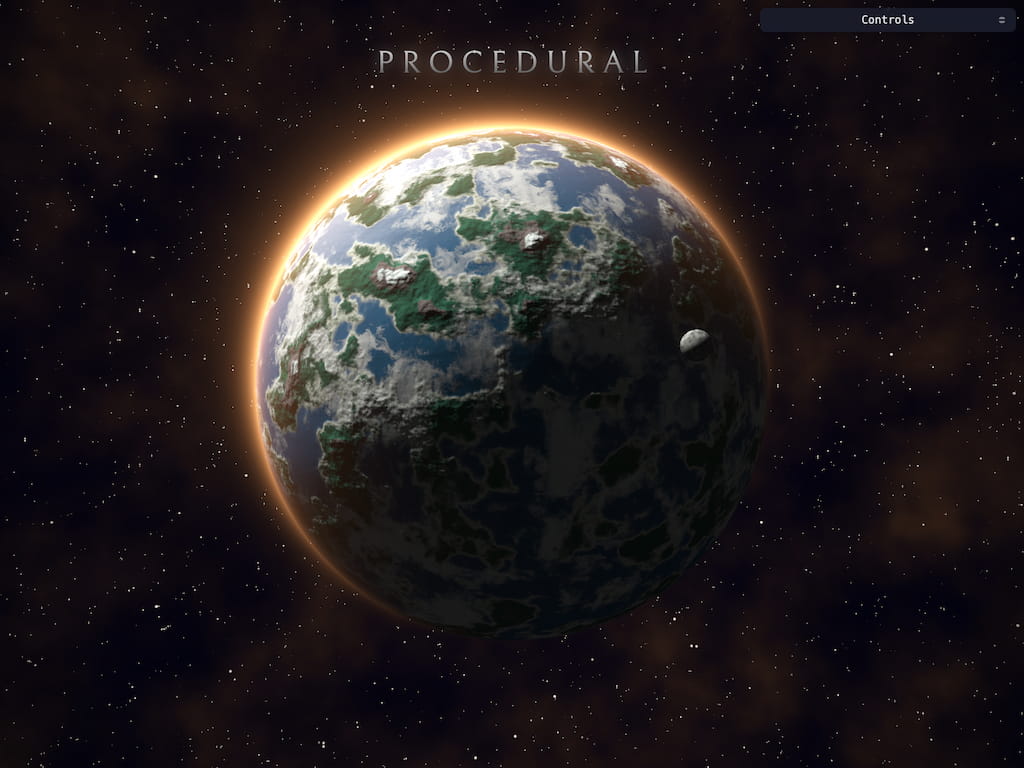
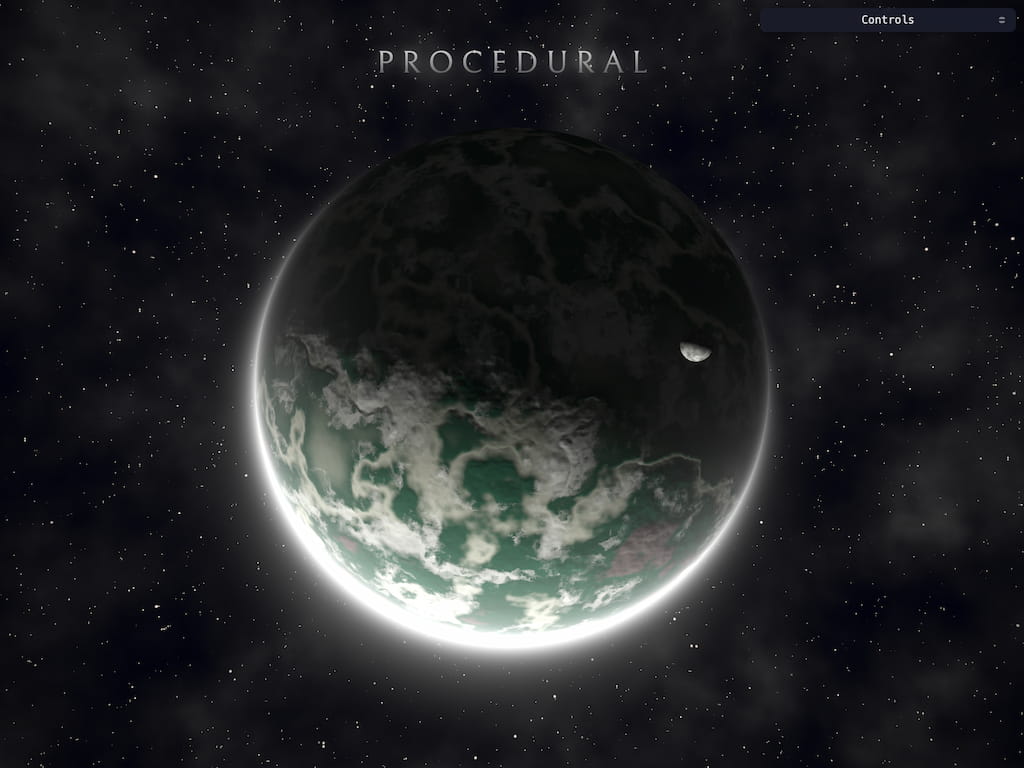
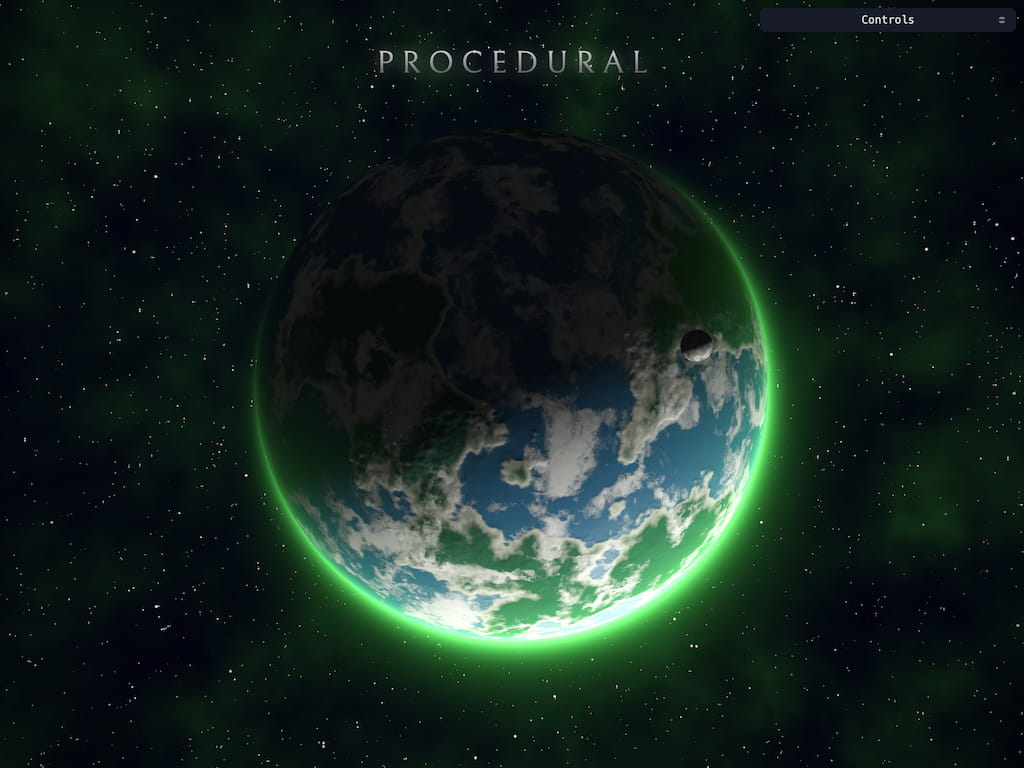
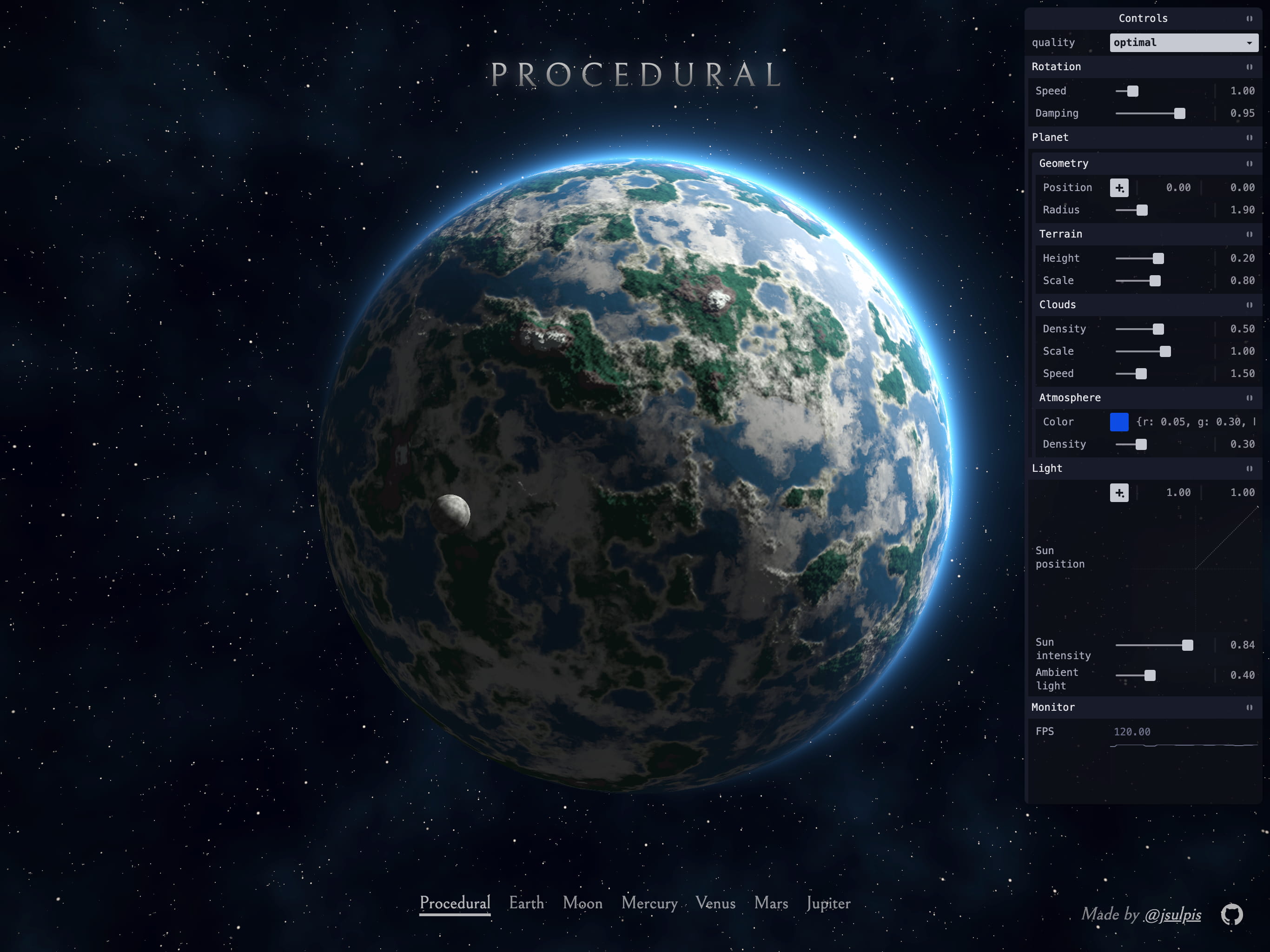
This is a GLSL fragment shader I originally made on [Shadertoy](https://www.shadertoy.com/view/Ds3XRl) when learning raymarching. Later I switched to analytic raycasting for better performance. It's made by raycasting simple spheres with a bunch of fbm noises used for the normals and colors, and a fake atmosphere computed with distance functions.
I wanted to display it on a web page so that I can make a nice GUI to tweak the uniforms. Here it is !
It runs at 60fps on my old low-end phone, so it should also be quite smooth on whatever device you have.
## Textures
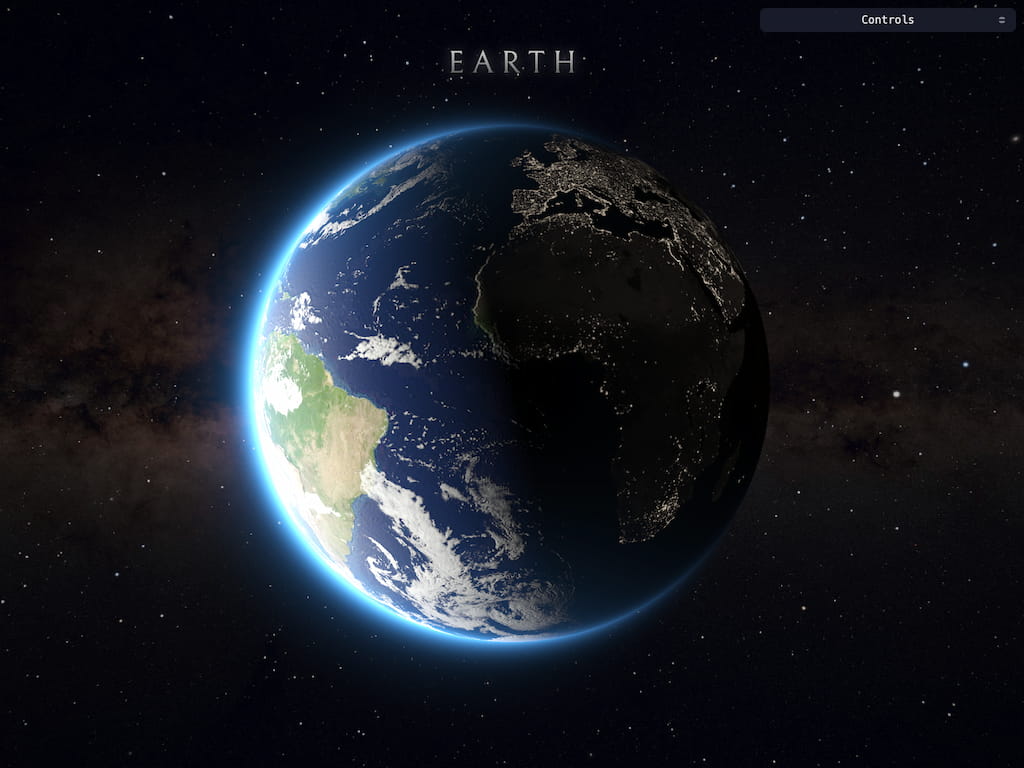
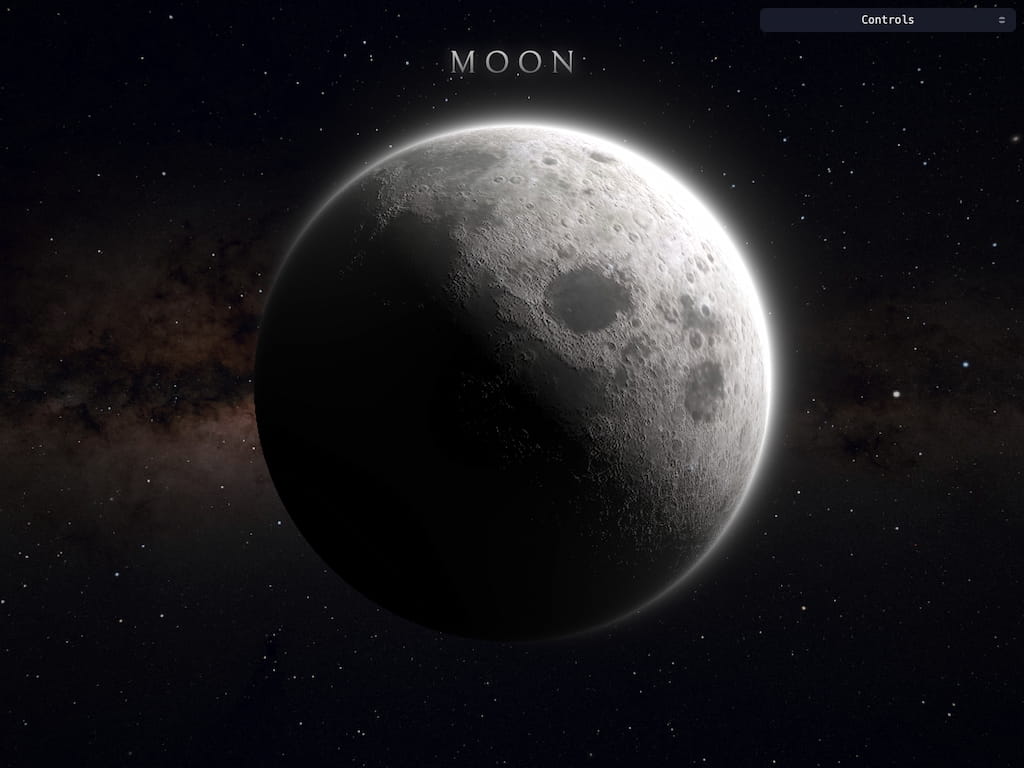
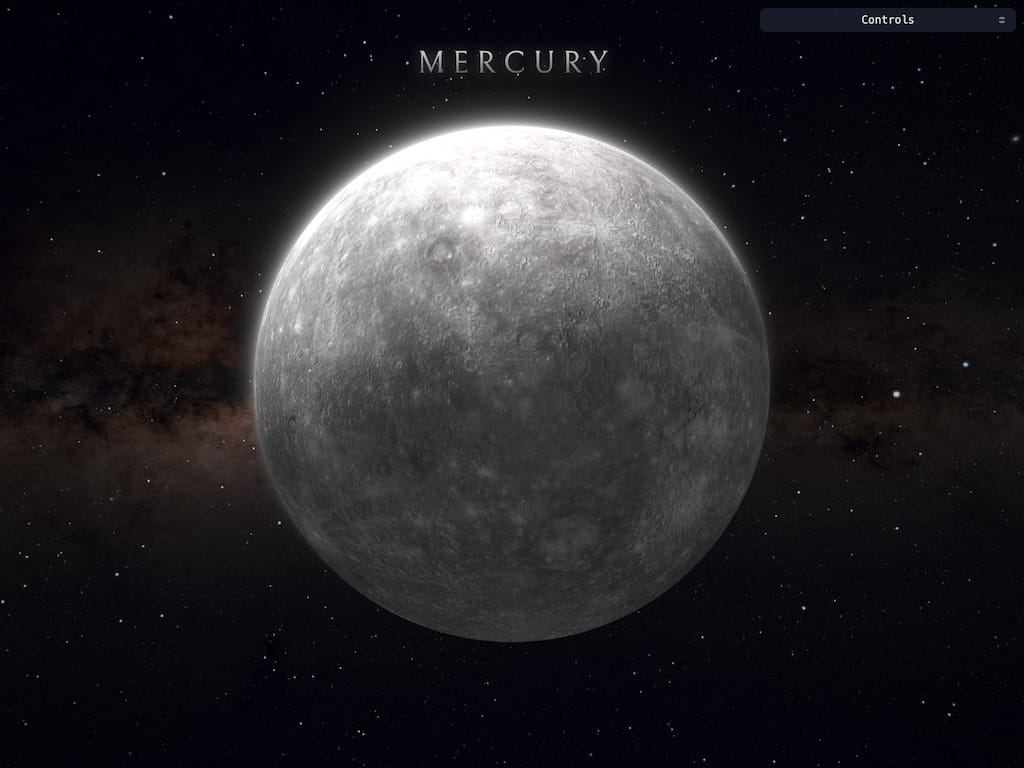
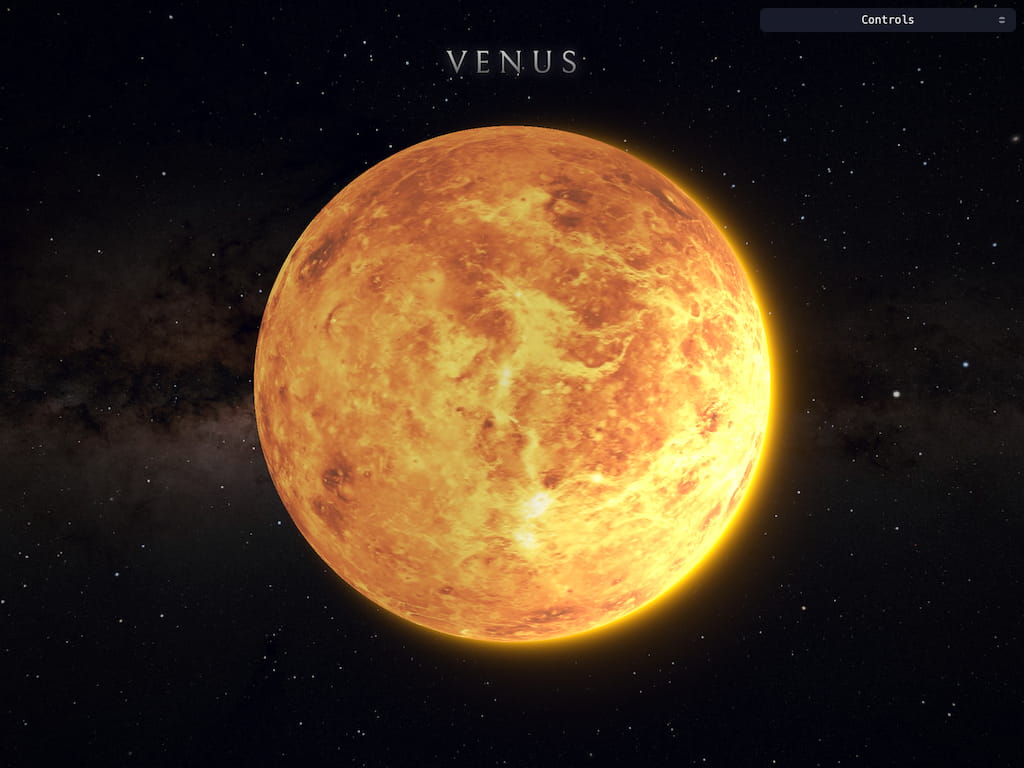
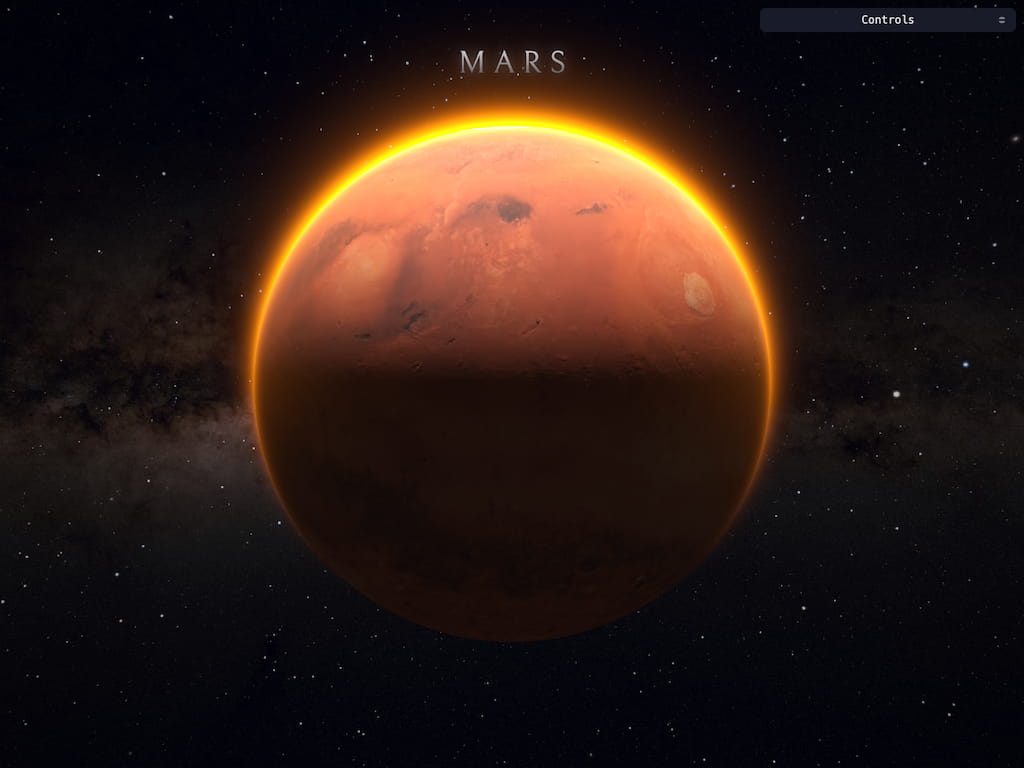
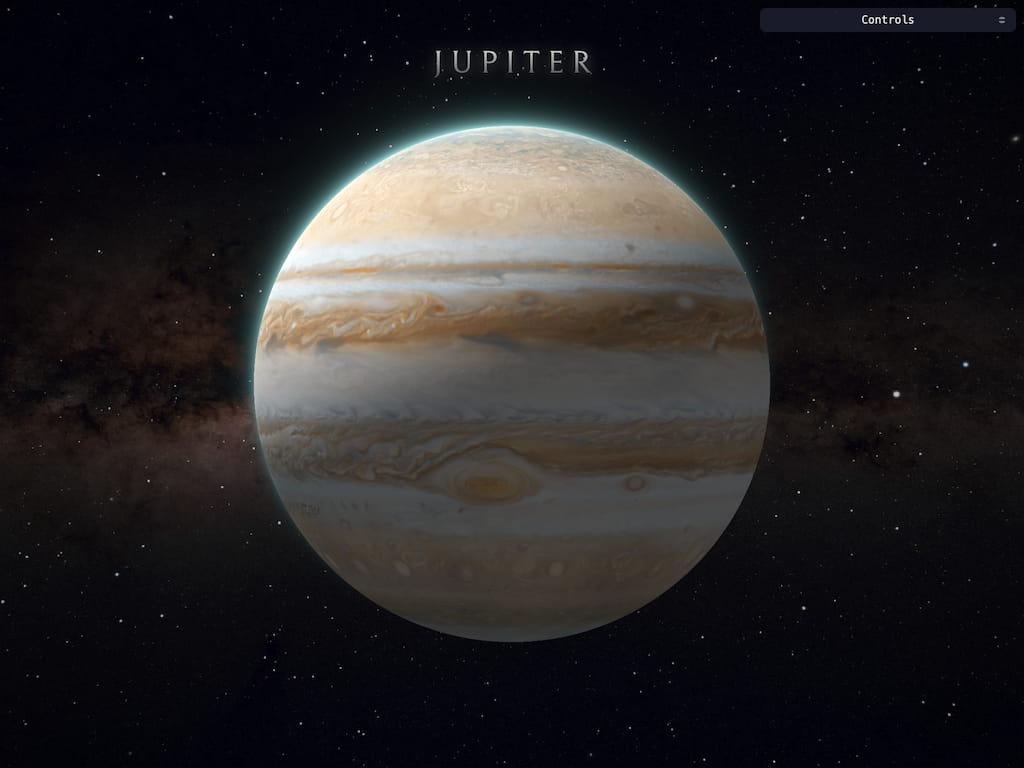
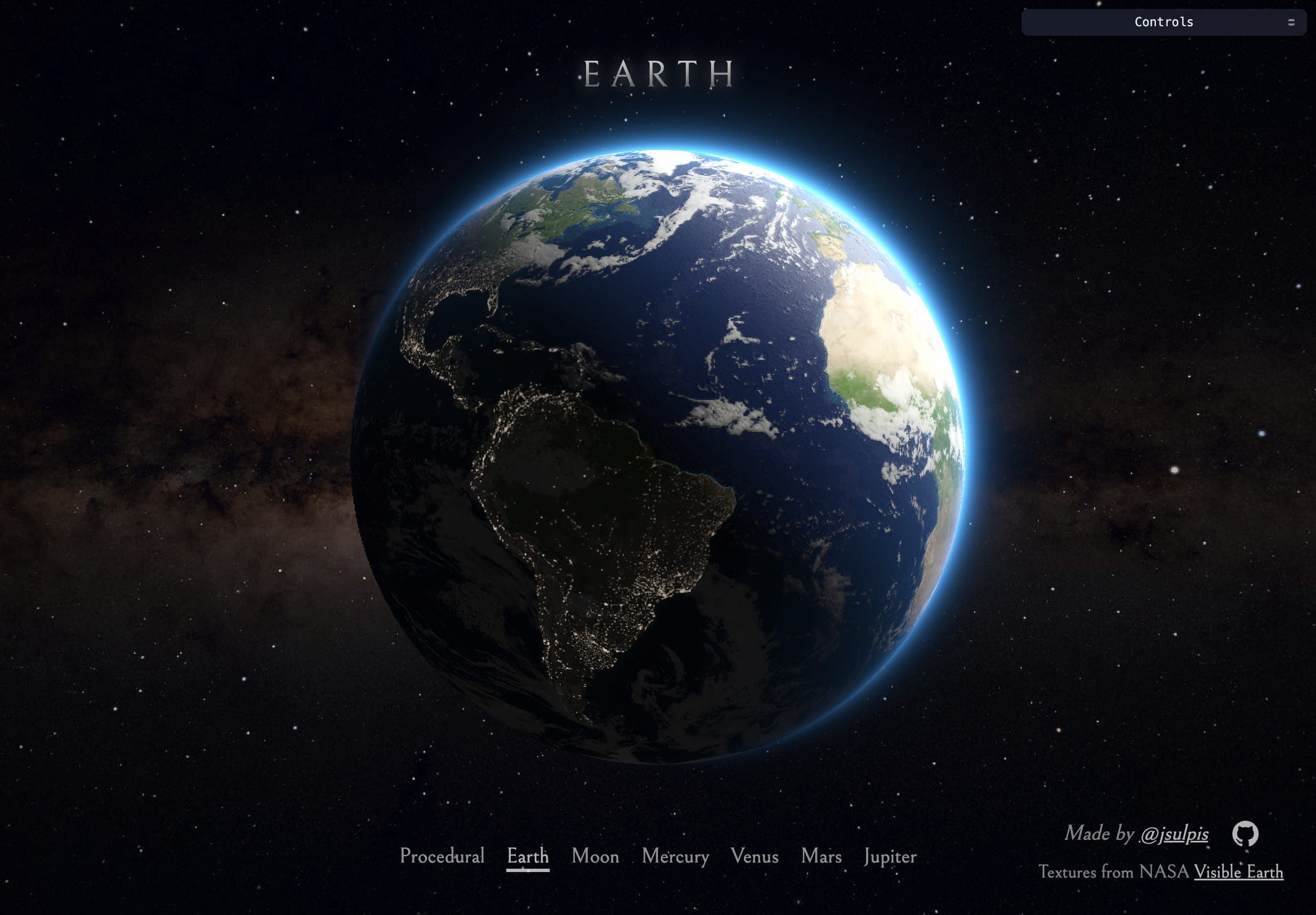
After the procedural version, I found a bunch of textures to display a realistic view of some planets of our solar system. Still with a few controls, and no quality setting because it should already run at full fps on most devices.
## Note
If you want a minimalist setup to render GLSL shaders on a canvas like this one, you can check out the [little study](https://github.com/jsulpis/webgl-libs-comparison) I made before this project.
## More renders