https://github.com/lmarqs/less-than-100mb-docker-node
An example of production ready docker image for NodeJS projects
https://github.com/lmarqs/less-than-100mb-docker-node
docker docker-compose nodejs
Last synced: about 2 months ago
JSON representation
An example of production ready docker image for NodeJS projects
- Host: GitHub
- URL: https://github.com/lmarqs/less-than-100mb-docker-node
- Owner: lmarqs
- License: mit
- Created: 2020-07-04T16:53:57.000Z (about 6 years ago)
- Default Branch: master
- Last Pushed: 2022-02-08T14:52:00.000Z (over 4 years ago)
- Last Synced: 2024-04-13T16:03:49.701Z (about 2 years ago)
- Topics: docker, docker-compose, nodejs
- Language: TypeScript
- Homepage:
- Size: 3.09 MB
- Stars: 0
- Watchers: 2
- Forks: 0
- Open Issues: 25
-
Metadata Files:
- Readme: README.md
- Changelog: CHANGELOG.md
- Contributing: CONTRIBUTING.md
- License: LICENSE
Awesome Lists containing this project
README
# Project Title
**Description**: Put a meaningful, short, plain-language description of what
this project is trying to accomplish and why it matters.
Describe the problem(s) this project solves.
Describe how this software can improve the lives of its audience.
Other things to include:
- **Technology stack**: Indicate the technological nature of the software, including primary programming language(s) and whether the software is intended as standalone or as a module in a framework or other ecosystem.
- **Status**: Alpha, Beta, 1.1, etc. It's OK to write a sentence, too. The goal is to let interested people know where this project is at. This is also a good place to link to the [CHANGELOG](CHANGELOG.md).
- **Links to production or demo instances**
- Describe what sets this apart from related-projects. Linking to another doc or page is OK if this can't be expressed in a sentence or two.
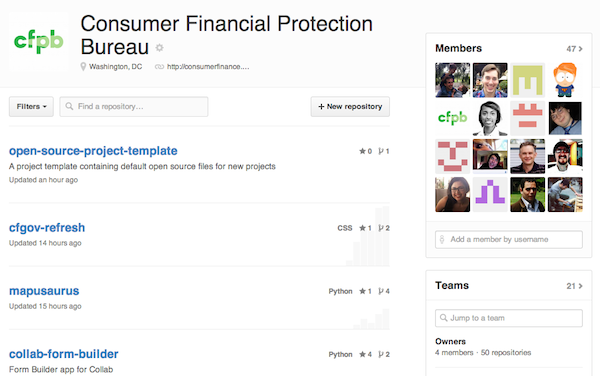
**Screenshot**: If the software has visual components, place a screenshot after the description; e.g.,
## Dependencies
Describe any dependencies that must be installed for this software to work.
This includes programming languages, databases or other storage mechanisms, build tools, frameworks, and so forth.
If specific versions of other software are required, or known not to work, call that out.
## Installation
Detailed instructions on how to install, configure, and get the project running.
This should be frequently tested to ensure reliability. Alternatively, link to
a separate [INSTALL](INSTALL.md) document.
## Configuration
If the software is configurable, describe it in detail, either here or in other documentation to which you link.
## Usage
Show users how to use the software.
Be specific.
Use appropriate formatting when showing code snippets.
## How to test the software
If the software includes automated tests, detail how to run those tests.
## Known issues
Document any known significant shortcomings with the software.
## Getting help
Instruct users how to get help with this software; this might include links to an issue tracker, wiki, mailing list, etc.
**Example**
If you have questions, concerns, bug reports, etc, please file an issue in this repository's Issue Tracker.
## Getting involved
This section should detail why people should get involved and describe key areas you are
currently focusing on; e.g., trying to get feedback on features, fixing certain bugs, building
important pieces, etc.
General instructions on _how_ to contribute should be stated with a link to [CONTRIBUTING](CONTRIBUTING.md).
---
## Open source licensing info
1. [TERMS](TERMS.md)
2. [LICENSE](LICENSE)
3. [CFPB Source Code Policy](https://github.com/cfpb/source-code-policy/)
---
## Credits and references
1. Projects that inspired you
2. Related projects
3. Books, papers, talks, or other sources that have meaningful impact or influence on this project