https://github.com/rishikanthc/paperpile
https://github.com/rishikanthc/paperpile
Last synced: 5 months ago
JSON representation
- Host: GitHub
- URL: https://github.com/rishikanthc/paperpile
- Owner: rishikanthc
- License: mit
- Created: 2024-04-05T16:05:03.000Z (about 2 years ago)
- Default Branch: main
- Last Pushed: 2024-04-05T16:05:04.000Z (about 2 years ago)
- Last Synced: 2025-10-07T14:48:15.526Z (9 months ago)
- Language: HTML
- Size: 196 KB
- Stars: 0
- Watchers: 1
- Forks: 0
- Open Issues: 0
-
Metadata Files:
- Readme: README.md
- License: LICENSE
Awesome Lists containing this project
README
# zola-tailwindcss
This project is a GitHub template for creating web projects that use the [Zola](https://getzola.org) static site generator, in conjunction with [Tailwindcss](https://tailwindcss.com). The [project's website](https://zola-tailwind.spenc.es) is also built from the same repository.
Below are some details that will help you get started.
## Usage
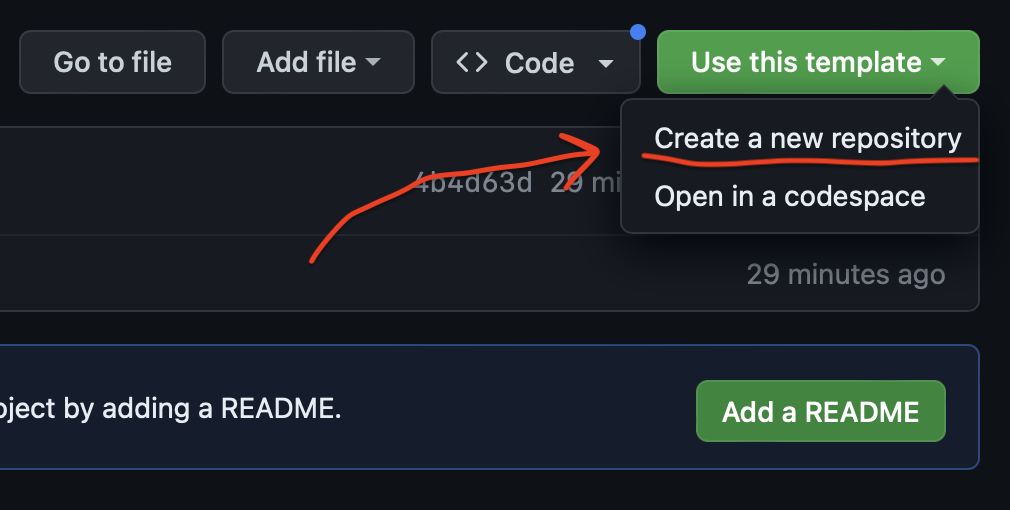
Start by visiting the [project's GitHub repository](https://github.com/asimpletune/zola-tailwindcss), and then click use the template and "create a new repository".
Here's how you do stuff:
```zsh
# installs everything
# that you need
npm install
# build builds once,
# output in `./public`
npm run build
# starts a local server
# that watches/rebuilds
npm run serve
```
For example, you can run `npm run serve` and then go to `localhost:1111` in your browser to see the websites. As you make changes to the code or content, the website will be updated.
## Customization
To use this for your own project you will probably want to take the following steps to customize (since GitHub doesn't yet support templating variables for GH template repos):
1. Change `base_url` in `config.toml` to your website's URL
2. Use whatever `LICENSE` file that you want (default is MIT)
2. Add anything you might want in the `package.json` file, i.e. `name`, `author`, and `license` are the bare minimum
Here's an example
```json
{
"name": "",
"version": "1.0.0",
"description": "",
"scripts": {
"build": "zola build && npx tailwindcss -i ./public/input.css -o ./public/style.css -m",
"serve": "zola serve --interface 0.0.0.0 & npx tailwindcss -i ./public/input.css -o ./public/style.css --watch && wait",
"test": "echo \"Error: no test specified\" && exit 1"
},
"repository": {
"type": "git",
"url": ""
},
"author": "",
"license": "",
"devDependencies": {
"@tailwindcss/typography": "^0.5.9",
"tailwindcss": "^3.3.1"
}
}
```
## Content
Content is stored in [markdown text](https://commonmark.org/help/) files located within the `content` directory. Files named `_index.md` are called "sections", and files by any other name ending in `.md` are called "pages". For more information you can read the [zola](https://www.getzola.org/documentation/content/overview/) documentation. The markdown is inserted into the html via the specified "[template](#templates)", which is indicated at the top of the content's "front matter".
## Templating
Templates are html files stored in the `templates` directory. Their purpose is to decide where in the html the content goes. The content is accessible to the template as a variable named either `section.content` or `page.content`, depending on the context. Within the template file, you can use a templating language called [tera](http://tera.netlify.app/docs/). There are examples throughout this document of templating, wherever you see the `{{ template_variable }}`.
## Styling
This website uses [tailwindcss](https://tailwindcss.com/) for most of its styling. Separate CSS can be added in the `sass/input.scss` file, but usually it is not necessary to add any custom styling. During the build/rendering process, this file is compiled by zola from sass into normal css, and then from there it is read by tailwind which adds generates the CSS based on whatever tailwind classes are references in your html, javascript, and markdown. The final result is a file called `style.css`, which is output under `./public`, and that is used by the website. *(Note: see `tailwind.config.js` for what file types and directories are "watched")*
### Typography
Since Zola generates content from markdown files, the Typography plugin is more or less mandatory.
The tailwind [typography plugin](https://tailwindcss.com/docs/typography-plugin) is used to style content that is generated from markdown. Any child elements that are nested within an element that has the class `prose` will receive the styling. The default styling can further be customized in the `tailwind.config.js` file.
## Dependencies and Tools
* [zola](https://getzola.org) `brew install zola`
* node, npm
## Notes:
* The `npm run serve` script runs two long-running tasks in parallel and allows both to write simultaneously to STDOUT by using [a mixture of `wait` and sending jobs to the background](https://www.cyberciti.biz/faq/how-to-run-command-or-code-in-parallel-in-bash-shell-under-linux-or-unix/)
* Sometimes important changes for styling need to be made in the `tailwind.config.js` file