https://github.com/scottlepp/loki-logger
A go based logger for Loki with ZeroLog adapter
https://github.com/scottlepp/loki-logger
Last synced: 3 months ago
JSON representation
A go based logger for Loki with ZeroLog adapter
- Host: GitHub
- URL: https://github.com/scottlepp/loki-logger
- Owner: scottlepp
- License: mit
- Created: 2022-12-06T20:05:05.000Z (over 3 years ago)
- Default Branch: main
- Last Pushed: 2022-12-09T17:28:56.000Z (over 3 years ago)
- Last Synced: 2025-01-26T12:28:26.144Z (over 1 year ago)
- Language: Go
- Size: 39.1 KB
- Stars: 1
- Watchers: 2
- Forks: 0
- Open Issues: 0
-
Metadata Files:
- Readme: README.md
- License: LICENSE
Awesome Lists containing this project
README
# loki-logger
A go based logger for Loki with [ZeroLog](https://github.com/rs/zerolog) adapter.
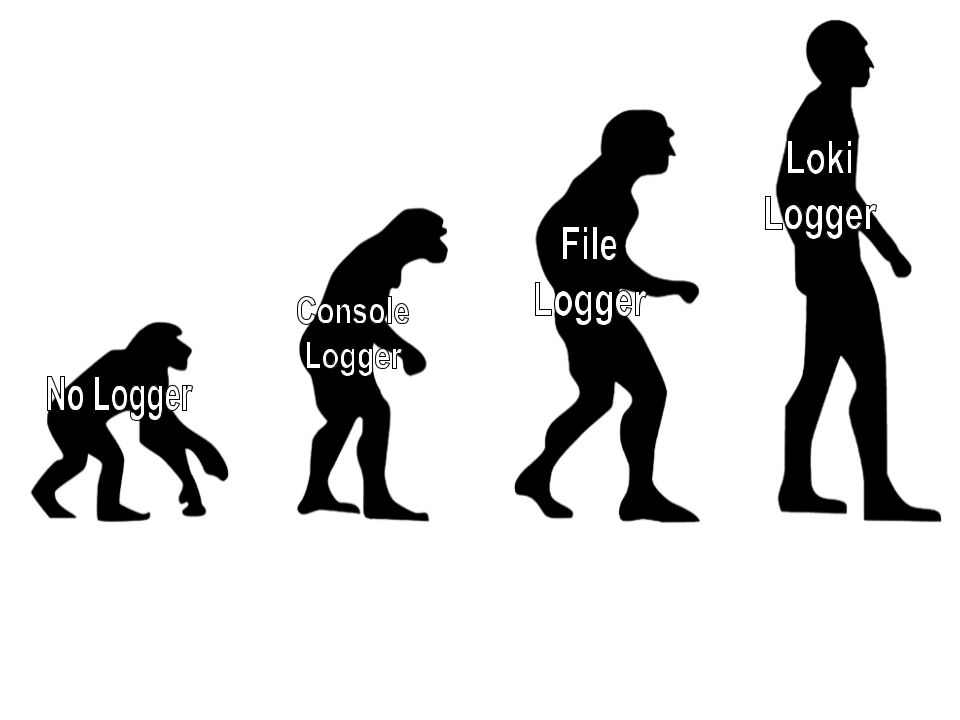
## Usage with Grafana backend plugins.
Step 1. Setup a [Free Grafana Cloud Account with Loki/Logging](https://grafana.com/logs/)
Step 2. Add settings to a plugin in your grafana.ini
```
[plugin.my-plugin-id]
# the logger to use: console, file, loki
logger = loki
# the log level to capture
logger_level = 0
logger_url = https://logs-prod3.grafana.net/loki/api/v1/push
# logger_key is base64 encoded
logger_key = user:apikey
# size of buffer lines to keep in memory
logger_buffer = 5
# comma delimited list of labels to apply to the log message
logger_labels = plugin:dynatrace
# log all http requests from the plugin to external rest apis
logger_http = true
```
Step 3. Go get "github.com/scottlepp/loki-logger/pkg/log"
Step 4. Add logging to your code. These will be sent to loki if your logger_level (above) is low enough.
```
log.Debug("foo")
```
Step 5. (optional) Log all incoming requests to the plugin
Typically when setting up your plugin you supply handlers for query, health, resources like so:
```
im := datasource.NewInstanceManager(getInstance)
handler := &Plugin{
IM: im,
}
router := host.getCallResourceHandler()
return datasource.ServeOpts{
QueryDataHandler: handler,
CheckHealthHandler: handler,
CallResourceHandler: httpadapter.New(router),
}
```
Just wrap the plugin that handles the calls:
```
im := datasource.NewInstanceManager(getInstance)
handler := &Plugin{
IM: im,
}
logHandler := log.Handler{
Plugin: handler,
}
router := host.getCallResourceHandler()
return datasource.ServeOpts{
QueryDataHandler: logHandler,
CheckHealthHandler: logHandler,
CallResourceHandler: httpadapter.New(router),
}
```
Step 6. (optional) Log all http calls to external rest apis.
When creating your http client, wrap the transport
```
c.Transport = log.NewHTTPLogger("my-plugin-id", c.Transport)
```
## Usage with [ZeroLog](https://github.com/rs/zerolog)
```
loki := &lokiLogger{
URL: "https://logs-prod3.grafana.net/loki/api/v1/push",
Key: "user:key", // base64 encoded
BufferSize: 50,
Level: 0,
Labels: "label1:1,label2:2"
}
zl := zerolog.New(loki).Level(zerolog.Level(loki.Level))
zl.Debug("foo")
```
## Standalone
```
logger := &lokiLogger{
URL: "https://logs-prod3.grafana.net/loki/api/v1/push",
Key: "user:key", // base64 encoded
BufferSize: 50,
Level: 0,
Labels: "label1:1,label2:2"
}
logger.Write([]byte("foo"))
```